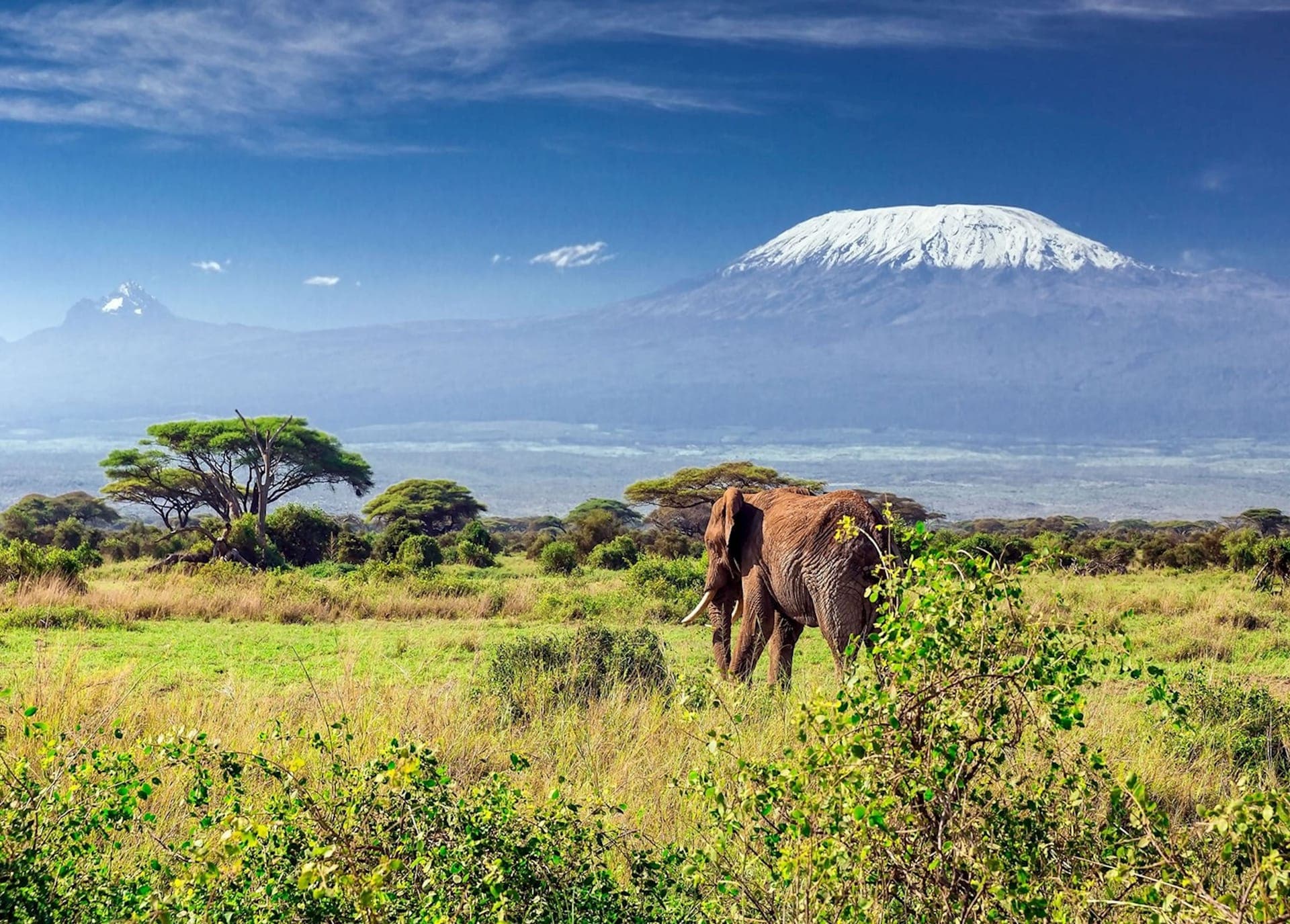
Kilimanjaro rewards consistency over intensity. Here is the plan our guides give climbers.
Weeks 1–2: Build the Base
Three sessions weekly: 60-minute brisk walks (add a loaded daypack of 4–5 kg) plus one longer weekend walk of 2–3 hours. Stairs are your friend — take them always.
Weeks 3–5: Add Hills
Introduce elevation: hill repeats, stadium stairs or inclined treadmill. One long weekend hike (4–6 hours) weekly with your daypack at 6–7 kg. Add one strength session: lunges, step-ups, calf raises, core.
Weeks 6–7: Go Long
Extend the weekend hike to 6–8 hours with 1,000 m of descent (descents are what wreck knees — train them deliberately). Keep two shorter weekday walks. This is when boots earn their break-in.
Week 8: Taper
Two easy walks, one rest-focused week. Pack, organise, sleep. Do not test new boots, new packs or new anything.
The Rules That Matter
- Slow is the new fast — Kilimanjaro is won at pole pole pace.
- Drink on schedule, not on thirst: 3–4 litres daily at altitude.
- Tell your guide everything — headaches, nausea, sleeplessness. Honesty summits more people than fitness.
- Choose the 7-day route. The extra acclimatisation day is the single best predictor of success.
After the Summit
Book a safari or Zanzibar recovery — your legs will ache, your heart will be full, and descending into wildlife or turquoise water is the perfect way to celebrate.