Everyone returns from Tanzania with photographs. The goal is returning with photographs.
Chase the Light, Not the Animals
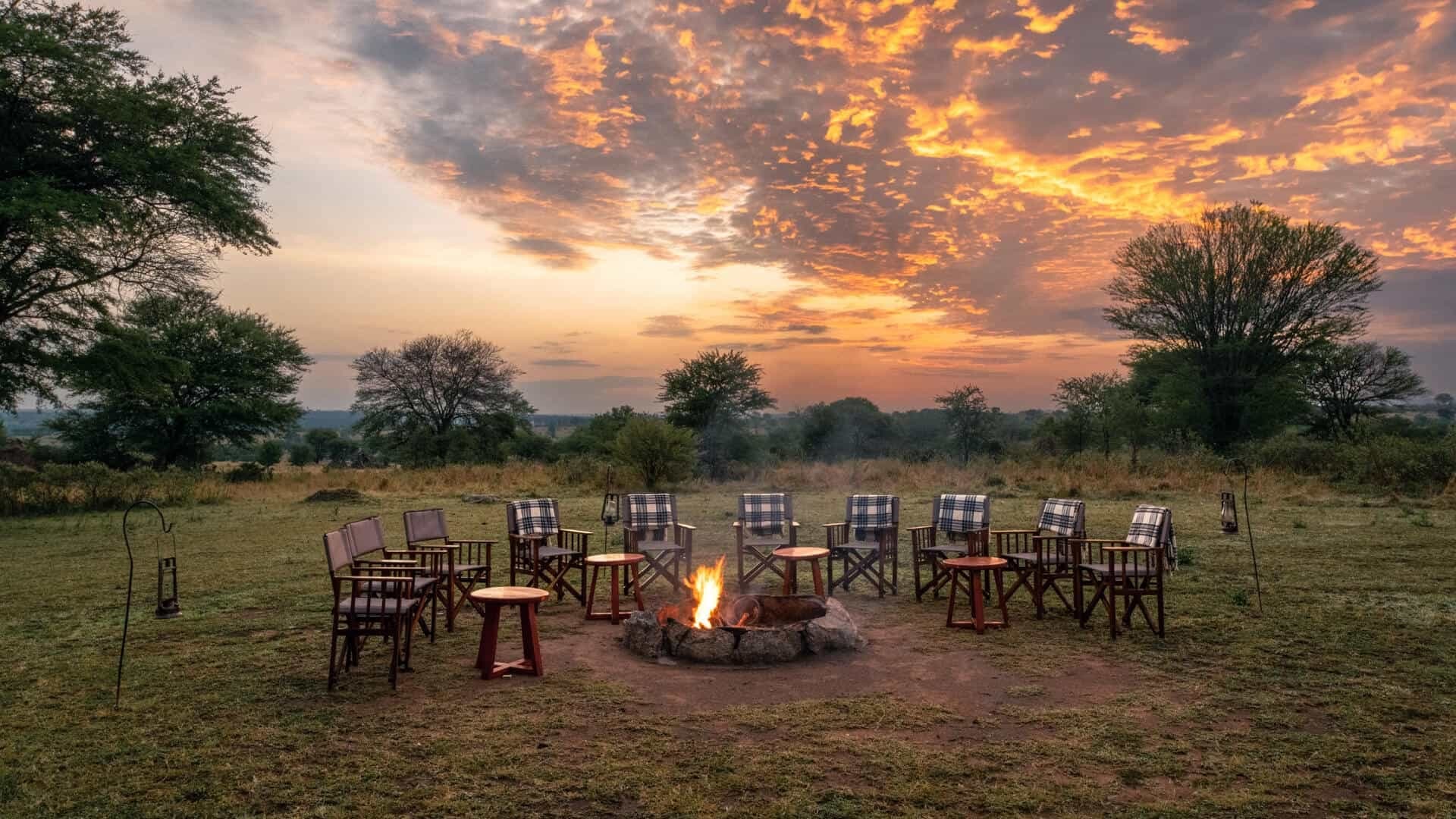
The best images happen in the first and last two hours of the day. Plan full-day drives with dawn starts and golden-hour finishes — midday is for shadows, rest and reviewing your frames.
Your Vehicle Is a Blind
Animals ignore vehicles; they never ignore humans. Stay inside, use the roof or window as a brace, and let the wildlife forget you. A beanbag beats a tripod on safari.
Lens Reality Check
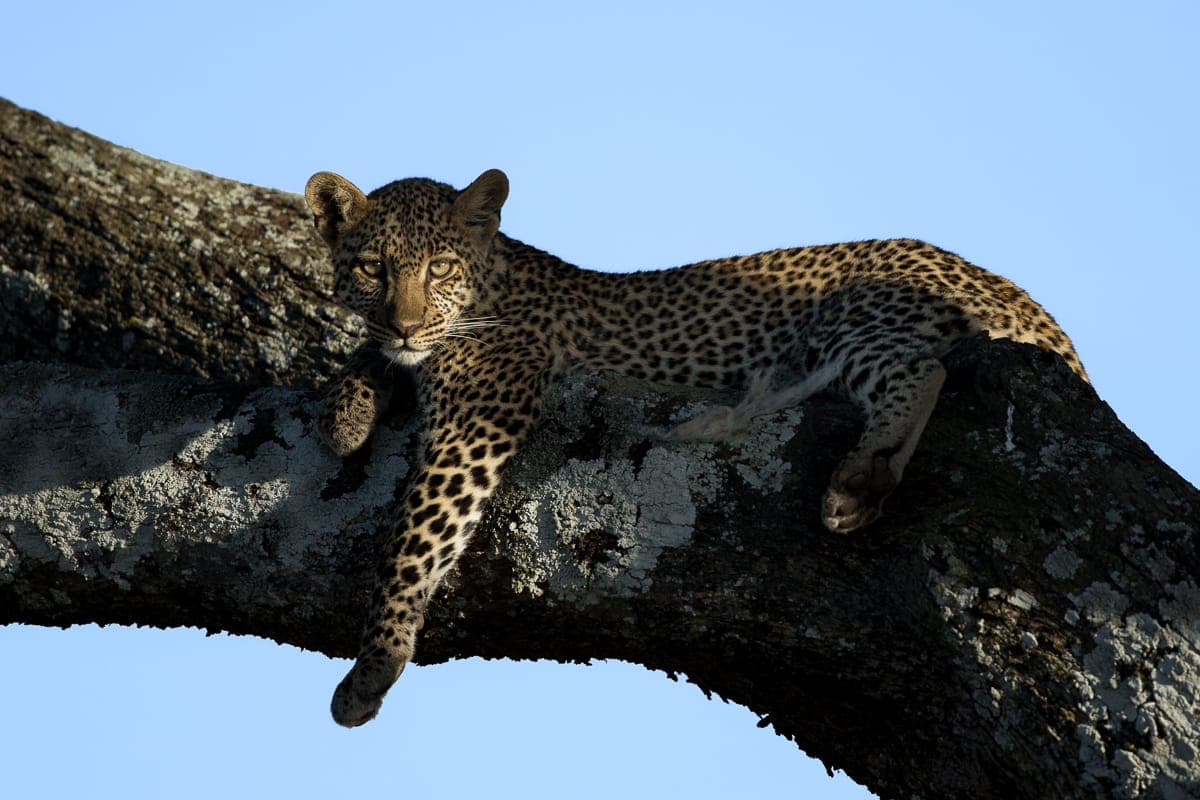
A 300mm reach covers most sightings; 400–600mm helps for birds and shy cats. But technique trumps glass: steady bracing, fast shutter (1/1000s for action), and eyes on behaviour — animals telegraph what happens next.
Tell the Whole Story
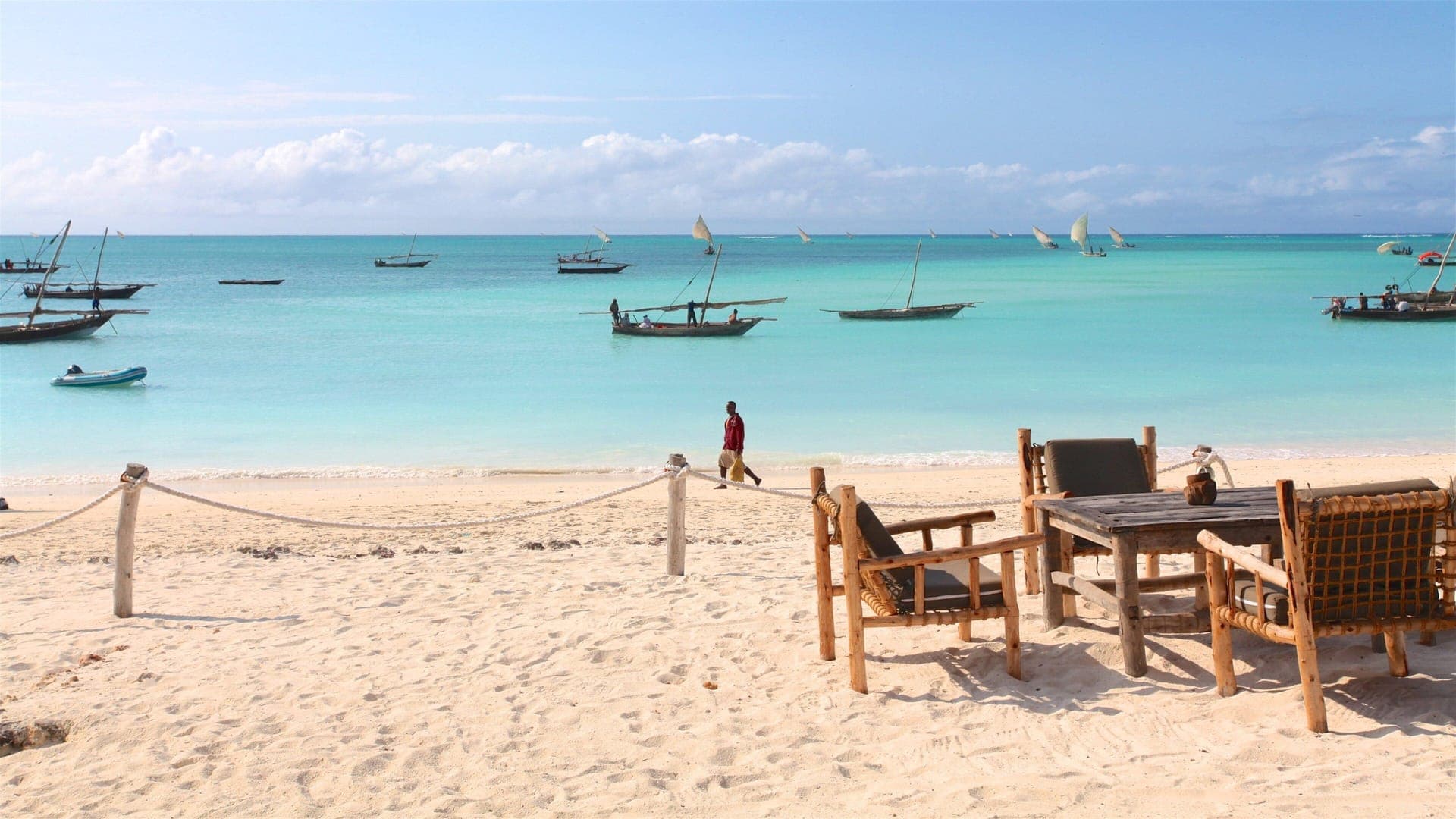
The tight lion portrait is expected; the lion landscape — small against the endless Serengeti under a storm sky — is the image that wins hearts. Balance close-ups with habitat frames, detail shots and honest moments around camp.
Ethics First
Never ask your guide to off-road for a better angle, bait animals or crowd a kill site. The photograph is never worth the harassment. Our guides are trained naturalists; their instincts protect both you and the animal.
One Last Secret
Put the camera down sometimes. The memory of 2,000 buffalo staring back at you in silence deserves full resolution.