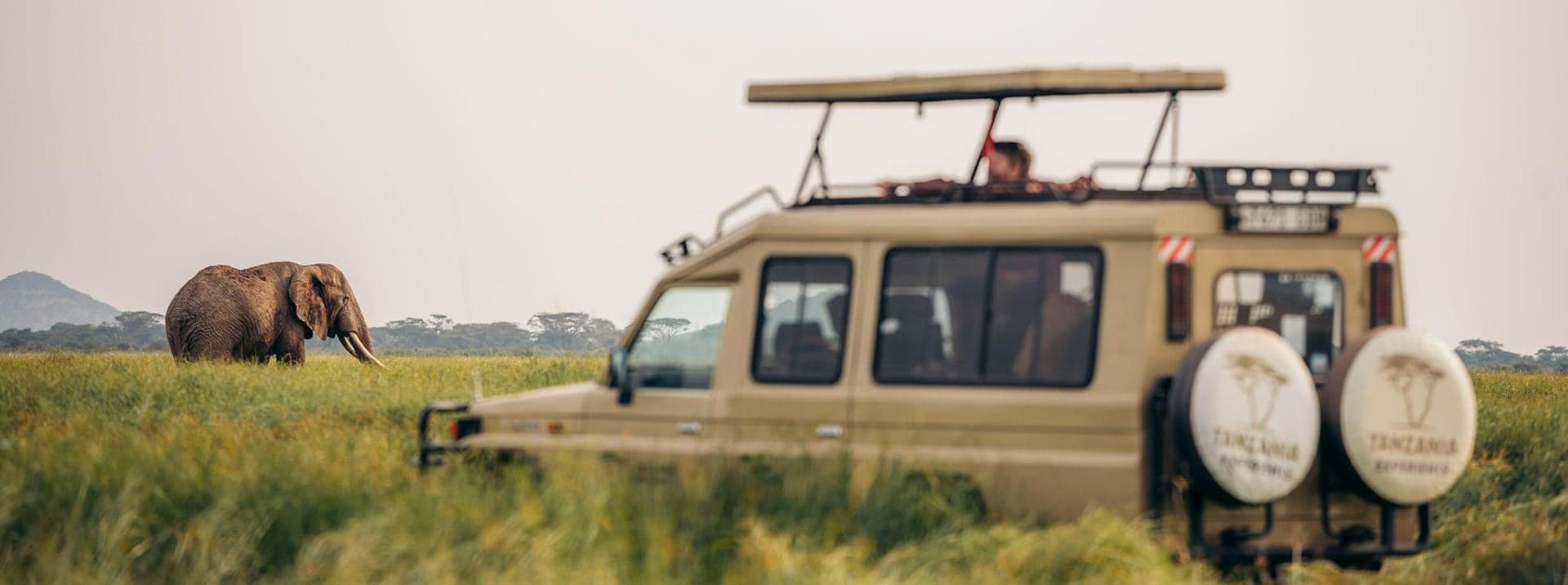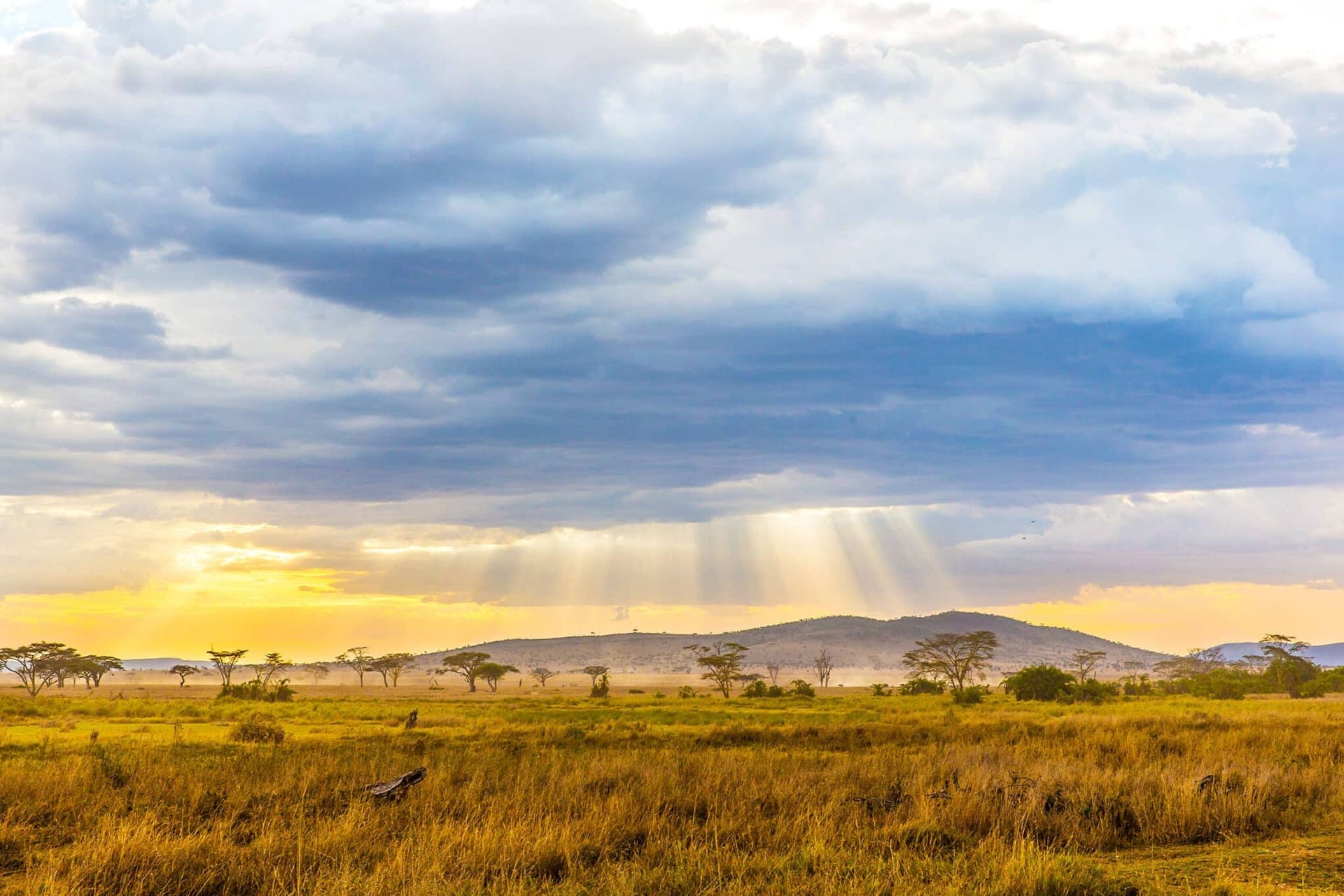
Tanzania is a year-round destination, but the country's rhythms matter. Here is how our guides read the calendar.
January – March: Calving Season
The wildebeest gather on the Serengeti's southern plains to give birth — up to 8,000 calves a day in early February. Predators follow; photography is extraordinary. Zanzibar sits in its calmest, clearest window.
April – May: The Green Season
The long rains transform the country into an emerald garden. Camps discount heavily, the light is dramatic and you will share sightings with few other vehicles. Some tracks get muddy; we plan routes around it.
June – July: Rivers Run Full
The dry season begins. Wildlife concentrates around water, the Migration moves west and then north, and the weather is crisp and dry — the classic safari window opens.
August – October: River Crossings
Peak season for a reason: Mara River crossings in the northern Serengeti deliver high drama. Book six to twelve months ahead. Tarangire's elephants gather in their thousands.
November – December: Short Rains & New Life
Afternoon showers freshen the plains, antelope drop their young and migrant birds arrive. Rates dip, landscapes glow and the parks feel newly born.
The Verdict
For first-timers chasing the greatest hits, we suggest June–October. For photographers and value-seekers, the green season is a secret worth keeping. For honeymooners, December–February pairs prime game viewing with Zanzibar at its best.
Whichever month you choose, a Scareface travel designer will build the itinerary around exactly what you want the season to deliver.